Rent, Rosters and the Runway: The Everyday Economy at Heathrow’s Edge
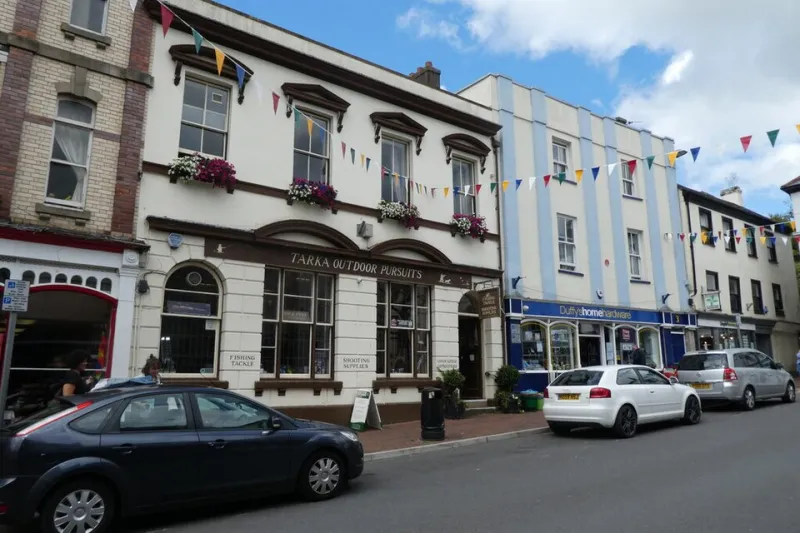
Photo: Roger Cornfoot , CC BY-SA 2.0, via Wikimedia Commons
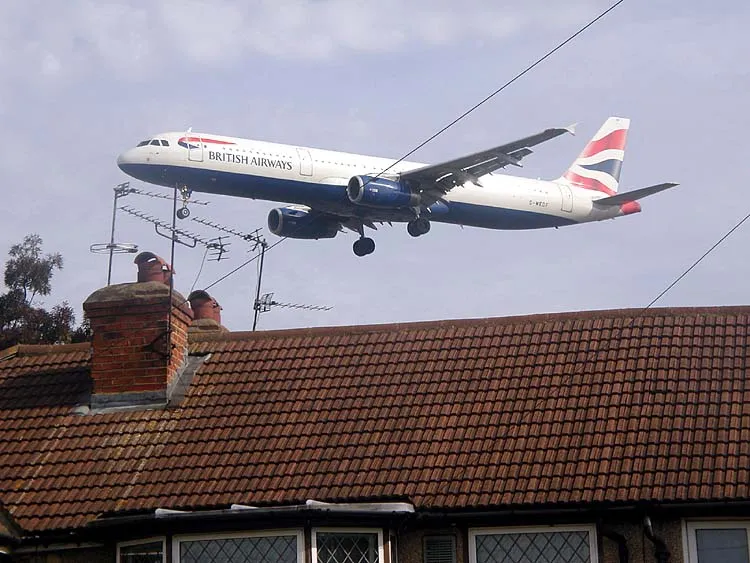
On the edge of Heathrow, the argument about a third runway is usually mapped in noise contours. Lines are drawn around communities, colour-coded by decibels, and debated in planning documents. But the airport’s economic gravity reaches further than its flight paths. It shapes commercial rents, labour markets, housing demand and the fragile services that hold a high street together. For small-business owners, care workers and renters in Hounslow, Spelthorne and Slough, expansion is not a future abstraction. It is already a set of pressures arriving in the post.
The shopkeeper’s arithmetic
Meera runs a café a few streets from a bus route that empties and fills with airport shift workers. Her lease is up for review, and the letting agent has begun to mention ‘airport-related demand’. Nothing has been built. No runway has been approved. Yet the expectation of expansion is already doing work in the rental market. Commercial rents rise on speculation; business rates follow; staff become harder to keep as larger employers bid up wages for unsocial hours.
Expansion consultations tend to count airport jobs and passengers. They rarely model the effect on a high street where a café, a hardware shop and a letting agency share the same narrow margin. A third runway would not simply add customers. It would add competition for space, for workers and for housing. Councils should ask for a commercial rent impact assessment, affordable workspace safeguards and a plan for the small businesses that make an area worth living in.
Care work in the slipstream
Denise is a home-care worker who travels between clients in Stanwell and Colnbrook. Her rota starts before the first regular bus and depends on a colleague with a car. She likes the work, but the maths is getting harder: fuel, childcare, rent, and the knowledge that a warehouse or airport contractor can offer more per hour for less responsibility. Care providers cannot match those premiums. They can only ask staff to absorb the difference.
A new runway’s construction phase would intensify that pressure. Workers would be pulled from care, hospitality, retail and cleaning into better-paid transport and construction roles. That may be good for some individuals. It is also a workforce shock for services that cannot easily raise pay. An expansion plan should include a care workforce impact assessment—not as an afterthought, but as core infrastructure planning. Care is not a lifestyle service. It is what allows older and disabled people to remain in their homes.
Renters and the cost of waiting
In Longford, Stanwell and Colnbrook, renters describe a familiar sequence. A landlord mentions a possible sale. A tenancy becomes less secure. Temporary accommodation becomes harder to find. The promise of key-worker housing arrives, if it arrives at all, after consent and after construction begins. By then, some of the people who keep local services running will have moved further out, adding to the travel and staffing pressures that expansion is supposed to solve.
Housing pressure is not confined to the areas under the flight path. It follows bus routes, school catchments and care rotas. A serious expansion plan would monitor rents and displacement from the day an application is submitted, not from the day the first plane lands. It would fund affordable homes before occupation, not after. And it would explain where the construction workforce itself will live, so that local renters are not left bidding against a temporary army of contractors.
The services that make a high street
A high street is not just shops. It is the GP surgery that takes new patients, the school that can staff its classrooms, the childminder with a waiting list, the pharmacy, the bus that runs after 6pm. Expansion planning often treats these as separate from airport infrastructure. Residents experience them as one system. If a new runway brings workers but not capacity, the pressure lands on services that are already stretched.
Councils should demand cumulative service capacity assessments, with funding attached and timetables published. Section 106 agreements and community funds can help, but only if they are paid early enough and monitored publicly. A pause gives local authorities time to commission that work properly—and time for residents to see whether the promises add up.
A pause is not a veto on ambition
None of this means the area should refuse change. It means change should be planned with the everyday economy in view. A pause would allow councils, employers and community groups to build an economic continuity plan: protecting affordable commercial space, stabilising care and hospitality workforces, funding bus routes that shift workers actually use, and linking housing delivery to local wages rather than speculative demand.
In 2026, the choice is not between growth and stagnation. It is between growth that arrives as a shock and growth that is negotiated. The high street at the end of the runway is not a footnote to the aviation debate. It is where the consequences would be lived. A pause is the minimum required to plan for them.