The Ledger of the Village: Harmondsworth and the Street-Level Test for Heathrow Expansion
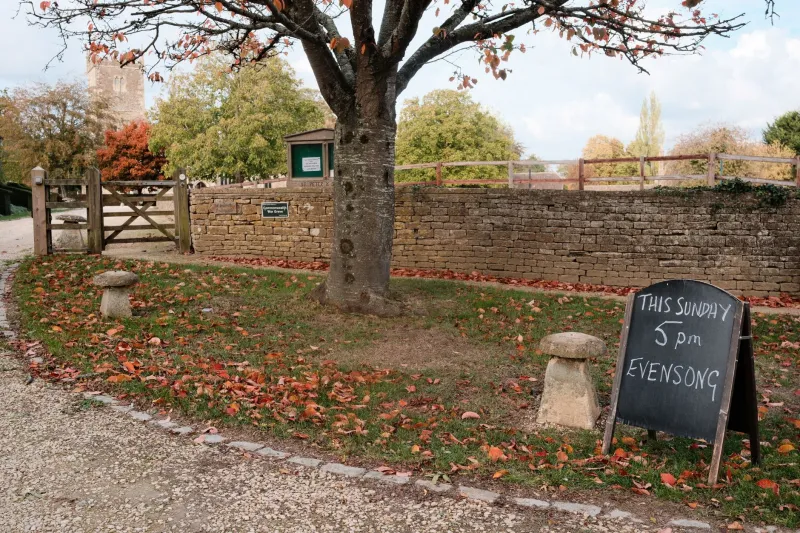
On a damp November morning, Harmondsworth does not look like a place awaiting a verdict. The churchyard is quiet, the lanes carry the ordinary traffic of people going about their day, and the fields beyond the village still hold the shape of an older Middlesex. Yet this small settlement sits at the sharp end of one of the most consequential planning questions in the country. Any revival of the north-west runway option at Heathrow would not simply alter the sky above Harmondsworth. It would redraw the village itself.
That distinction matters. The expansion debate is too often conducted in the language of contours, passenger forecasts and carbon budgets. These are necessary considerations, but they can obscure a simpler truth: a runway is also a land-use decision with a human inventory attached. It determines which streets remain, which homes are acquired, which businesses can trade, which congregations can gather and which communities can hand on what they inherited. Before any of that is settled, the public deserves a transparent, street-by-street account of the consequences.
Beyond the noise contour
Harmondsworth is not an empty space on a consultant’s map. It is a village with a medieval church, a great tithe barn, a network of footpaths, working farms and small firms, and streets of homes whose histories are not captured by a postcode alone. Nearby settlements — Longford, Sipson, Harlington and Cranford — form part of the same social geography. People shop, worship, send children to school and run businesses across boundaries that a runway map would cut through.
A noise contour can tell us something about sleep disturbance and annoyance. It cannot tell us what happens when a village hall loses its committee, when a family farm loses its access track, when a care worker can no longer reach clients, or when a local firm loses the yard it has occupied for thirty years. Those are not sentimental footnotes. They are the operating system of a community.
The Airports Commission’s 2015 recommendation for a north-west runway made the scale of the question clear. Harmondsworth and its neighbours have lived with versions of this threat before. Each time, residents have been asked to weigh macro-economic claims against the future of their streets. Each time, the debate has tended to arrive late, in technical documents and consultation events, rather than at the outset with a candid account of what expansion would actually remove.
What the map does not show
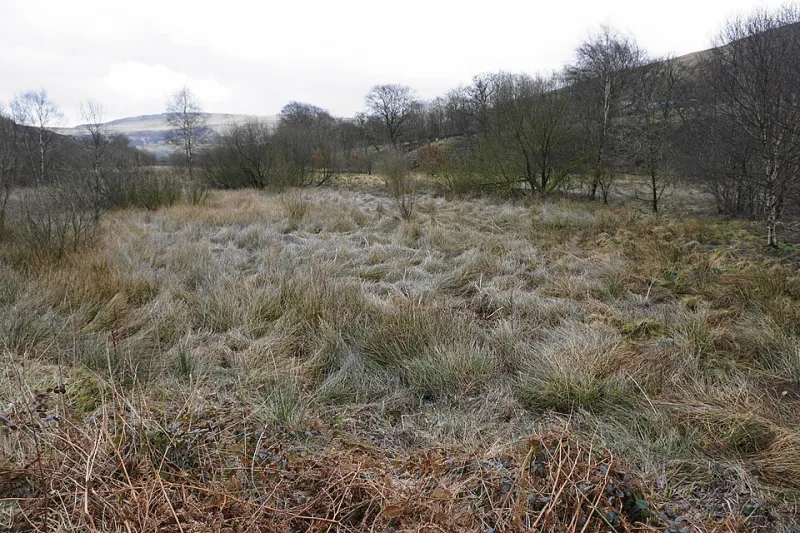
A masterplan can show a runway strip, a taxiway and a perimeter. It is much less good at showing the texture of the place underneath. Harmondsworth’s historic core is not a theme park; it is a living settlement with a Grade I listed church and the Great Barn, both of which anchor the village’s identity and its visitor economy. The surrounding moor and farmland are part of the Colne Valley’s landscape and floodplain, not merely a green backdrop to a development boundary.
The village also contains the ordinary infrastructure of belonging: homes of different tenures, small workshops, roadside businesses, allotments and meeting places. Some of these can be counted. Many cannot. A serious expansion plan should nevertheless try. It should be able to say, address by address, how many homes would be lost, how many would be subject to compulsory purchase, how many households are in social rented or affordable housing, and where those households could realistically move within the same school catchment and support network.
It should be able to list the businesses affected, the number of employees, the supply chains that depend on them and the prospects of re-provision. It should identify community assets — churches, halls, pubs, playing fields, footpaths — and explain what happens to them. It should assess heritage at the level of fabric and setting, not just a paragraph in an environmental statement. And it should be honest about the years of planning blight that precede any bulldozer. Once a road scheme or runway corridor is announced, homes become hard to sell, businesses cannot invest, and residents live in a state of suspended animation. That is a cost of expansion even if nothing is ever built.
The arithmetic of displacement
Compensation is often presented as the answer to displacement. It is not. A cheque can settle a property transaction; it cannot recreate a congregation, a school run, a family’s proximity to grandparents or a firm’s local customer base. For older residents, the loss of a familiar street can be a loss of independence. For children, it can mean losing a school and a friendship network at the same time. For small businesses, the customer base is not a line in a spreadsheet but the reason the business exists.
This is why the campaign for a pause is not a refusal to engage with evidence. It is a demand that the evidence be complete. Heathrow Pause’s position is straightforward: before any expansion is approved, the public should be able to see the full social ledger. Not a summary. Not a glossy brochure. A searchable, independently verified account of what would be lost, street by street and site by site.
That ledger should be published early enough to be tested, not buried in a development consent order at the end of the process. It should be open to scrutiny by Hillingdon Council, heritage bodies, local businesses and residents’ groups. It should set out how re-provision would work in practice, not merely in principle. And it should be accompanied by a clear commitment that no community will be asked to absorb uncertainty for years while the case is assembled.
A street-level test for any plan
Any serious third runway proposal should pass a simple set of public tests. First, publish an address-level schedule of homes affected, including tenure and household composition where lawful. Second, list every community asset within the affected area and state its future. Third, provide a business impact register with employee numbers and re-provision plans. Fourth, assess heritage at the level of setting and significance, not just listed-building status. Fifth, explain how footpaths, farm access and local roads would function during construction and afterwards. Sixth, set out a blight management plan with clear timelines and compensation triggers.
These are not unreasonable demands. They are the minimum due diligence for a project that would reshape a part of west London forever. If the expansion case cannot survive that level of scrutiny, it should not proceed. If it can, then let it be made openly, with the village in the room rather than beneath the approach path.
Harmondsworth is not a bargaining chip in a national growth argument. It is a place where people live, work and remember. The test for any third runway is whether its promoters can describe what they would destroy before they ask for permission to destroy it. Pause. Rethink. Protect local communities.