Valuations, Vagueness and the Value of a Home: A Compensation Roadmap for Heathrow’s Neighbours
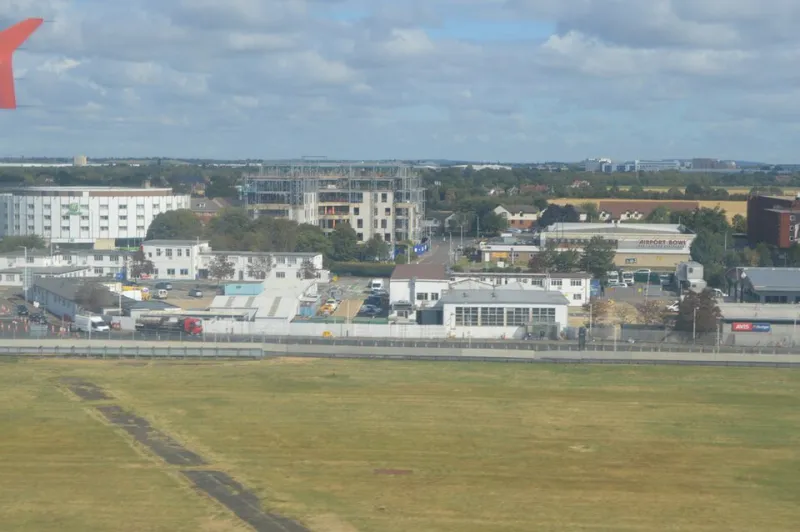
Photo: N Chadwick , CC BY-SA 2.0, via Wikimedia Commons
Valuations, Vagueness and the Value of a Home
In Harmondsworth, Longford, Sipson and Stanwell, the Heathrow expansion debate has never been conducted in the language of national infrastructure alone. It is conducted in kitchens, at kitchen tables covered with letters from solicitors, and in the gap between what a home is worth to the family living in it and what a compensation scheme says it is worth on paper. As of November 2026, that gap remains one of the most urgent — and least transparent — parts of the entire runway question.
The argument for a pause is often framed around noise, air quality and carbon. All three matter. But a pause that leaves residents trapped in indefinite blight is not a pause at all; it is a slower form of dispossession. Fairness requires earlier certainty, clearer trigger points and a compensation framework that residents can actually understand before they are asked to sign away their homes.
What blight actually means
Blight is both a legal category and a lived experience. In law, statutory blight gives certain owners the right to require a public authority to buy their property when proposed public works have made it difficult to sell. In practice, blight begins much earlier: when lenders become cautious, when buyers disappear, when repairs feel pointless because the bulldozers may arrive, and when families postpone decisions about schools, jobs and care because the future of their street is unresolved.
For Heathrow expansion, residents face a patchwork of statutory blight rules, airport-led discretionary schemes and informal assurances. That patchwork is precisely the problem. A discretionary scheme can be generous in principle and still leave households exposed in practice, because eligibility, timing and valuation methods are not always set out in advance. The distinction between a statutory route and an airport scheme is not academic. It determines who qualifies, when they qualify and what happens if they dispute an offer.
The trigger points that matter
Compensation debates often turn on a single phrase: the trigger point. Residents hear that nothing can be done until a trigger is reached, but the trigger is rarely explained in plain English. In broad terms, trigger points may relate to planning consent, safeguarding directions, the confirmation of a scheme boundary or the formal adoption of a valuation date. Each can have a profound effect on a household’s options.
The valuation date is especially important. It can fix the baseline against which a property is assessed, even if later noise maps, traffic projections or scheme boundaries change the reality on the ground. Residents should therefore ask, in writing, which date applies to their property and what assumptions the valuer has been instructed to make. A valuation that treats the runway as already built is not the same as a valuation that treats the home as it stands today. The difference can run to tens of thousands of pounds.
Where valuations go wrong
Valuation disputes rarely begin with bad faith. They begin with assumptions. A valuer may use comparable sales from outside the blight zone, or may apply a discount for the very scheme that is supposed to be compensated. A household may be offered market value on a no-scheme basis, but then find that legal fees, survey costs, mortgage exit penalties and temporary relocation are not fully covered. Others discover that improvements made to a home — a loft conversion, a conservatory, adapted bathrooms for a disabled family member — are treated as personal taste rather than value.
Solicitors rarely hear the questions that matter most to residents. What is the assumed condition of the property? Has the valuer accounted for the cost of making the home habitable during a long compulsory purchase process? Is there a review mechanism if the scheme boundary later moves? What happens if a mortgage lender refuses to lend on a property inside the zone? These are not technical footnotes. They are the difference between a fair offer and a forced sale at a discount.
Case notes from the edge
One household in Sipson described a valuation that seemed to treat their home as if the runway were already operational: reduced for noise, reduced for blight, reduced again for future uncertainty. The family had lived there for three decades. They were not asking for a windfall. They were asking for enough to buy an equivalent home in a comparable community, and they could not see how the offer achieved it.
Another couple in Stanwell were told repeatedly to wait for a trigger event that kept moving. They had wanted to downsize before retirement. Instead they found themselves maintaining a property they could not sell and could not afford to leave. Their case is not unusual. It illustrates why a compensation system that is technically lawful can still be substantively unfair.
A checklist before you sign
Before accepting any offer, residents should ask for the following in writing:
- Which valuation date applies to my property, and why?
- Is the valuation on a no-scheme basis, and what assumptions have been made about noise, blight and future development?
- Which comparable sales were used, and were any of them inside the affected area?
- Are legal fees, survey costs, mortgage exit penalties and moving costs covered in full?
- Is temporary relocation covered if the purchase is delayed?
- How are home improvements and accessibility adaptations treated?
- What is the review or appeal process if I dispute the valuation?
- What happens if the scheme boundary changes after I accept?
- Will the offer be reassessed if planning consent is granted or refused?
- Who is my named point of contact, and what is the timetable for a decision?
These questions should not require a specialist adviser to formulate. They should be published by the scheme operator and answered as a matter of course.
Why a pause must mean earlier certainty
A serious pause on Heathrow expansion should not be a period of suspended animation for residents. It should be a period in which the compensation framework is put on a statutory footing, eligibility is clarified, trigger points are fixed and transparent, and communities have access to independent advice. The burden of uncertainty should not be carried by households while the airport industry waits for a more favourable political moment.
Pause. Rethink. Protect local communities. That means protecting them not only from noise and construction, but from the slow erosion of value and choice that blight brings. If expansion is to be reconsidered, the least a fair society can do is ensure that the people living next door are not asked to underwrite the debate with their homes.